Classroom culture is more than colorful posters or tidy routines. It’s the emotional climate that helps students feel safe, connected, and valued. One of the most powerful ways to shape that climate is through stories that teach acceptance, empathy, and understanding.
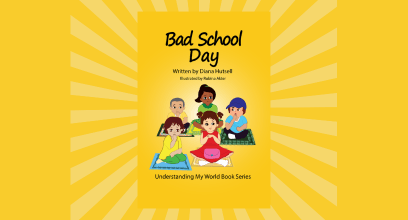
The Understanding My World series was created with this exact goal in mind: to help children see the beauty in their differences, the value of kindness, and the importance of listening to others’ experiences.
Let’s explore how you can use these stories to build a stronger classroom community, one page at a time.
Why Stories Matter in Building Community
Stories offer more than entertainment. They create shared language and shared moments. When a class reads the same book, they laugh together, reflect together, and begin to understand together.
The Understanding My World books are specifically designed to:
- Spark empathy
- Represent a variety of lived experiences
- Provide age-appropriate entry points for big conversations
- Help students feel seen and help others learn to see
Story-Based Activities to Strengthen Community
Here are four practical ways to use the books to foster connection and compassion in your classroom:
1. “Me Too” Moments
After reading a story, invite students to share if they’ve ever felt the way the main character did. This helps children recognize that they are not alone and that their classmates may have had similar feelings or challenges.
Try prompts like:
- “Raise your hand if you’ve ever felt left out.”
- “Have you ever had a hard time speaking up, like the character in the book?”
- “What helps you feel included?”
These little moments create big bonds.
2. Classroom Kindness Challenges
Choose a weekly theme based on a book’s message, like understanding differences, helping a friend, or listening without interrupting.
Post a kindness chart and let students record when they see a classmate demonstrating that trait. Celebrate small actions!
3. Create a “World Wall”
Have each student draw or write about what makes their world special. This might include family, traditions, languages, interests, or challenges. Display these as a classroom mural to celebrate diversity and encourage pride in each student’s identity.
4. Anchor the Books in SEL Standards
Use the books as a foundation for teaching core social-emotional competencies:
- Self-awareness (identifying feelings)
- Social awareness (empathy and respect)
- Relationship skills (cooperation and communication)
Understanding My World stories naturally align with these goals and make them come alive in meaningful ways.
Planting Seeds That Grow All Year
Stories can plant seeds that grow throughout the year. When a student recalls a character’s courage during a moment of their own struggle, or when a classroom rule is framed around understanding each other’s world, those small choices build something lasting.
Community doesn’t happen by accident. It’s created intentionally, with care, curiosity, and compassion. And story-time is one of the best places to begin.