There’s a quiet pressure many parents feel. An invisible expectation that we should always know what to say, what to do, and how to fix every problem our child faces. But here’s a truth worth saying out loud:
You don’t have to have all the answers. And your child doesn’t need you to.
In fact, sometimes not having the answers is the perfect opportunity to model the very things we want our children to learn—curiosity, humility, emotional honesty, and the courage to grow.
Let’s explore why embracing uncertainty is not a weakness, but a strength and how the Understanding My World series can help support this mindset.
What Kids Really Need from Us
Children don’t expect us to be superheroes. They need us to:
- Listen without judgment
- Sit with them in hard moments
- Be honest when we’re unsure
- Show them how to keep learning and growing
When you say, “I’m not sure, but let’s figure it out together,” you’re not letting your child down. You’re lifting them up. You’re showing them that nobody has all the answers, and that’s okay.
Growth Happens in the Questions
Whether your child is asking big questions about identity, friendship, fairness, or feelings, it’s natural to worry about saying the “right” thing. But some of the most meaningful growth comes from exploring questions together:
- “Why do people treat others differently?”
- “What does it mean to be included?”
- “Why do I feel this way?”
You might not have a textbook answer, but your openness, your presence, and your willingness to walk through the question with your child are more valuable than any perfect response.
How Books Can Support the Journey
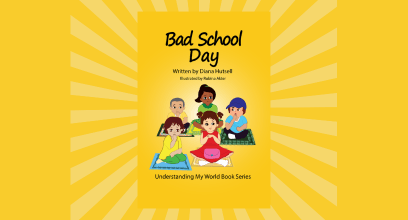
The Understanding My World series was created for families just like yours—families who want to have real conversations about the things that matter but might not always know where to begin.
Each story opens the door to important topics like:
- Feeling left out
- Navigating differences
- Facing change
- Understanding emotions
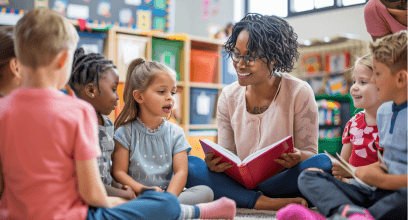
Reading these books together creates shared language, shared understanding, and space for questions—even the ones you don’t have answers for yet.
You can say:
“This book made me think, too.”
“I wonder how we’d handle that if it happened to us.”
“Let’s talk about this more tomorrow.”
You’re modeling emotional resilience and curiosity, all without having to solve the story.
Give Yourself Permission
Here’s your gentle reminder:
- You’re allowed to pause.
- You’re allowed to say, “I don’t know.”
- You’re allowed to learn alongside your child.
In doing so, you’re teaching them one of life’s most powerful lessons:
That understanding is a journey, not a destination.