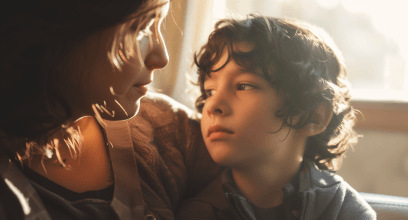
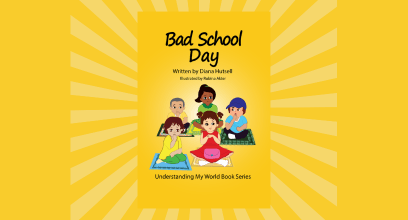
Those three words—“Nobody understands me”—can stop a parent’s heart in its tracks. They’re painful, powerful, and often packed with emotion. Whether it’s whispered after a hard day at school or shouted during a moment of frustration, these words signal more than just a passing mood.
They reveal a deeper need: to be seen, heard, and accepted.
At Understanding My World, we believe that books and stories can help children process and express these big feelings. But just as importantly, we believe in equipping parents and caregivers with tools to respond with compassion and confidence, even when the words don’t come easily.
Why Your Child Might Feel Misunderstood
Children may say “nobody understands me” for a variety of reasons:
- They feel different from their peers (because of neurodiversity, disability, family situation, etc.)
- They’re having a hard time expressing their emotions
- They’ve experienced rejection, bullying, or exclusion
- They’re going through a transition or change and feel isolated
- They’re internalizing stress or pressure they don’t know how to name
The feeling might not be logical to us as adults, but it’s very real to them.
What to Say (and Not Say) in the Moment
It’s tempting to jump in with reassurance:
“Of course people understand you!” or “Don’t say that!”
But these responses—while well-meaning—can unintentionally shut down the conversation. Instead, try:
✅ Say This:
- “That sounds really hard. Tell me what happened.”
- “I want to understand. Can you help me know how you’re feeling right now?”
- “Sometimes I’ve felt that way too. You’re not alone.”
- “I’m here. I’m listening. I believe you.”
🚫 Avoid:
- “You’re just being dramatic.”
- “You’ll be fine tomorrow.”
- “There’s nothing wrong with you.”
The goal isn’t to fix the feeling right away. It’s to hold space for it.
How Stories Can Help
Books can act as mirrors and windows:
- Mirrors show children they’re not alone in their experiences.
- Windows help them see into other people’s lives and learn empathy.
The Understanding My World series includes characters who struggle with being different, left out, or misunderstood. Sharing these stories can:
- Spark conversations that feel safer than direct questioning
- Help children find language for their emotions
- Open doors to connection and healing
Even just saying, “This character reminded me a little of you. Want to read it together?” can begin the process.
Additional Ways to Support Your Child
Here are some simple practices you can try at home:
- Daily Connection Check-ins: Ask open-ended questions like, “What was the hardest part of your day?” or “When did you feel most like yourself today?”
- Emotion Journals or Art: Let your child express what they’re feeling through drawing, writing, or storytelling.
- Model Vulnerability: Share moments from your own life when you’ve felt misunderstood—and how you worked through it.
- Normalize Differences: Talk openly about how people learn, feel, and act in different ways—and that understanding someone means asking questions, not making assumptions.
Final Thought
When a child says “Nobody understands me,” what they’re really asking is:
“Do you see me?”
“Do I matter?”
“Can I trust you with my feelings?”
Let your answer—through words, presence, and compassion—be a resounding yes.