
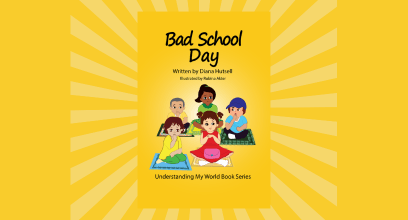
Every child brings a unique world of thoughts, feelings, and experiences into the classroom. As a guidance counselor or social emotional learning (SEL) teacher, you’re often the bridge between what children feel and how they begin to understand those feelings. The Understanding My World book series is designed to support you in that role, offering stories that open hearts, spark conversation, and nurture emotional growth.
What Is the Understanding My World Series?
This collection of picture books addresses real-life challenges children face, such as feeling different, dealing with change, or managing strong emotions. Each story is crafted to help young readers feel seen, heard, and accepted while encouraging empathy and understanding toward others.
The series is ideal for:
- SEL programs
- Small group or one-on-one counseling sessions
- Inclusive education efforts
- Character education and kindness weeks
Integrating the Books Into Your Guidance Lessons
Here are a few ways to make the most of the series within your curriculum:
1. Themed Weekly Read-Alouds
Choose one book per week and build your guidance lessons around its core theme. For example:
- Michael, Michael, Michael can spark discussions about neurodiversity and respecting differences.
- No Words Needed opens a window into the deaf and hard-of-hearing experience, encouraging nonverbal empathy.
Each book creates a natural entry point into topics like inclusion, patience, adaptability, and courage.
2. Reflection and Discussion Questions
After each story, guide students in thinking about:
- How did the main character feel?
- Have you ever felt that way?
- What can we do when someone around us feels like that?
Use open-ended questions to allow all voices to be heard, especially those who might not normally speak up.
3. Role-Play and Scenario Building
Bring the books to life with short role-plays. Let students act out scenes or imagine how they’d respond in similar situations. This helps build social problem-solving skills in a safe, supported space.
4. Art, Writing, or Journaling Extensions
Have students draw, write, or create based on the story’s themes. Prompts might include:
- “Draw a time you felt misunderstood.”
- “Write about a friend who helped you feel better.”
- “Create a comic about a superpower called Understanding!”
Supporting a Diverse Range of Learners
One of the strengths of the Understanding My World series is its inclusive approach. The books feature a variety of characters and life experiences, helping children see themselves and others through a compassionate lens. These stories work especially well in classrooms with:
- English language learners
- Students with disabilities
- Children experiencing big changes at home or school
Real Connection, Real Growth
More than just books, the Understanding My World stories become conversation starters, healing tools, and confidence-builders. Whether you’re helping one student at a time or guiding a whole classroom, this series can support your efforts to create a space where every child feels valued.
Your role as a counselor or SEL teacher is vital, and we’re honored to walk alongside you.




One Response
df6elp